
SEMrush: Why This Tool Keeps Popping Up in Every SEO Conversation
When was the last time you Googled something random—say, “best pizza near me”—and actually clicked on the second or third result? Probably not. Most of us just hit the first link and move on. That’s exactly why businesses obsess over ranking high on Google. And in this never-ending battle for visibility, SEMrush somehow keeps showing up in the conversation.
The Backstory: Why Everyone’s Talking About SEMrush
Think about it. If you run a blog, an online store, or even a YouTube channel, you’ve probably wondered: How do people even find me? That’s where SEO tools sneak in.
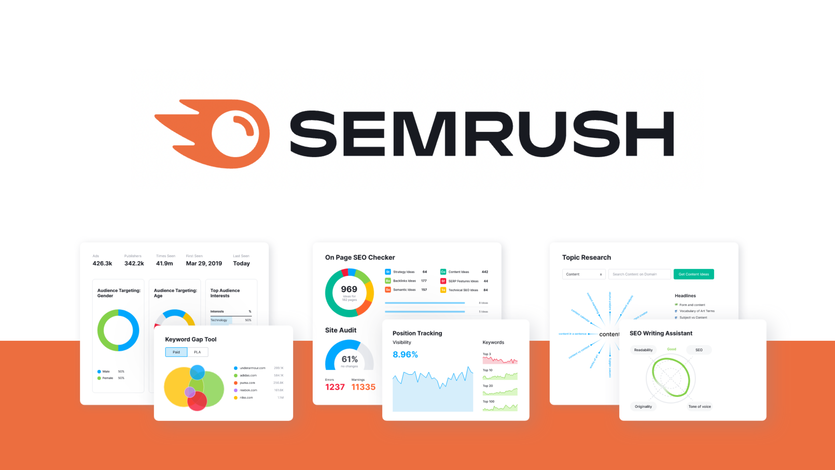
Now, there are a dozen of them—Ahrefs, Moz, Ubersuggest, you name it. But here’s the kicker: SEMrush feels like the all-in-one gym membership of SEO. Instead of juggling five different platforms, you get keyword research, competitor analysis, backlink insights, content ideas, and even social media tools in one place.
I’ll be honest, though. At first glance, SEMrush can look overwhelming—like walking into a spaceship dashboard when all you wanted was a car. But once you poke around a little, you start realizing why so many marketers swear by it.
Why People Keep Choosing SEMrush (and Why You Might Too)
Let’s face it. The SEO world is noisy. Everyone claims to have the “secret trick” to rank. SEMrush doesn’t promise magic. What it does is give you data—the good, bad, and sometimes brutal truth about your site.
Here’s what makes it stand out:
- Keyword Magic Tool – The name sounds corny, but it delivers. You type in “sustainable fashion,” and boom, thousands of keyword variations with search volumes, trends, and difficulty scores. It’s basically a treasure map.
- Competitor Analysis – Ever wondered how your rival is suddenly ranking for “best vegan shoes”? SEMrush lets you peek behind the curtain. You can see their traffic sources, top pages, and even which ads they’re running.
- Site Audit – Think of it as a health check for your website. Broken links, slow pages, missing meta descriptions—it finds them all. (And yes, it can be slightly embarrassing seeing just how many issues you’ve ignored.)
- Content Ideas – Stuck on what to write next? SEMrush’s Topic Research tool tosses you questions real people are asking. Spoiler: half of them are things you never even thought about.
The point is, it’s not just a one-trick pony. SEMrush feels more like a Swiss Army knife for marketers.
A Quick Reality Check: Is SEMrush Really That Unique?
Okay, let’s be fair. Other platforms exist. Ahrefs has a cleaner interface. Moz has a loyal fan base. Ubersuggest is cheaper. So, why do people still lean toward SEMrush?
I think it comes down to balance. It’s not the cheapest, but it’s not the priciest either. It’s not the simplest, but it’s insanely detailed once you get the hang of it. And unlike some tools that focus on one feature, SEMrush spreads its bets across SEO, PPC, content, and even social media scheduling.
That kind of “jack of all trades” vibe makes it especially handy if you’re running a small business or freelancing. You don’t always have the time (or budget) to stack ten different tools.
How It Works (Without the Tech Jargon)
Alright, here’s the simplified version:
- You type stuff in. Want to see how your site is doing? Or which keywords your competitor is ranking for? Just enter a domain or keyword.
- SEMrush crunches the numbers. Behind the scenes, it pulls from a massive database—billions of keywords, millions of domains, global markets.
- It spits out insights. Traffic numbers, ranking positions, backlinks, keyword difficulty, even ad copies your competition is running.
- You make changes. This is the fun (and sometimes stressful) part. You update content, tweak SEO, maybe even redesign pages based on what you learn.
It’s like having a personal trainer. SEMrush doesn’t lift the weights for you—but it sure as hell tells you which muscles need work.
My Honest Take
Let’s be real. No tool will magically put you at the top of Google. Not SEMrush, not Ahrefs, not even Google’s own Search Console. What SEMrush does is give you clarity. And in the messy world of SEO—where everyone claims to know the “algorithm”—clarity is gold.
I’d say it’s worth trying if:
- You’re serious about growing your site.
- You want one tool that does a bit of everything.
- You don’t mind a little learning curve.
If you’re expecting instant results, though? Probably not for you. SEO is a long game.
Wrapping It Up
At the end of the day, SEMrush isn’t just another shiny tool. It’s more like a reality check for your online presence. Sometimes you’ll love the insights. Other times, you’ll want to slam your laptop shut because the numbers aren’t what you hoped. But that’s kind of the point—it keeps you grounded and shows you exactly what needs fixing.
 What are Some Common Mistakes to Avoid While Trimming Your Beard?
 A Guide to Updating Your Skincare Routine for Summer
 5 Things To Keep In Mind When Ordering From A China Hair Factory
 Why Moisturising Your Hands Is So Important?
 What Is Your Curl Pattern Type, And How Do You Deal With It?
 Dermal Fillers: What Are Dermal Fillers, How Are They Used, And Who Uses Them?
 How Filorga Optim Eyes Works
 Reverse Balayage: A Low Maintenance Cost For Beauty in Winter
 Shape the Brows with efficient Eyebrows Tinting
 Different Types of Hair Extensions