
Why Sustainable Fashion Isn’t Just a Trend (It’s a Lifestyle Shift)
When was the last time you bought a shirt and actually thought about where it came from? Not just the brand label—but the hands that stitched it, the resources that went into it, and the waste it left behind. That, my friend, is the real conversation around sustainable fashion. And it’s one we can’t keep ignoring.
The Backstory: Why This Matters More Than Ever
Let’s face it—fast fashion has spoiled us. Cheap, trendy, delivered to your door in two days or less. What’s not to love, right?
But here’s the catch: those $15 jeans? They often come at a higher cost than you see on the price tag. Water pollution, landfill waste, and underpaid workers are all part of the hidden bill.
Think about it. The fashion industry is responsible for around 10% of global carbon emissions. That’s more than international flights and shipping combined. Kind of wild, isn’t it?
So, it’s not surprising that sustainable fashion has become the buzzword of the decade. But honestly, it’s not just hype—it’s survival.
Trends and Options: What Sustainable Fashion Actually Looks Like
Now, don’t worry. Going “sustainable” doesn’t mean dressing in potato sacks or spending a fortune on some eco-chic label. You’ve got options. And they’re cooler than you might think.
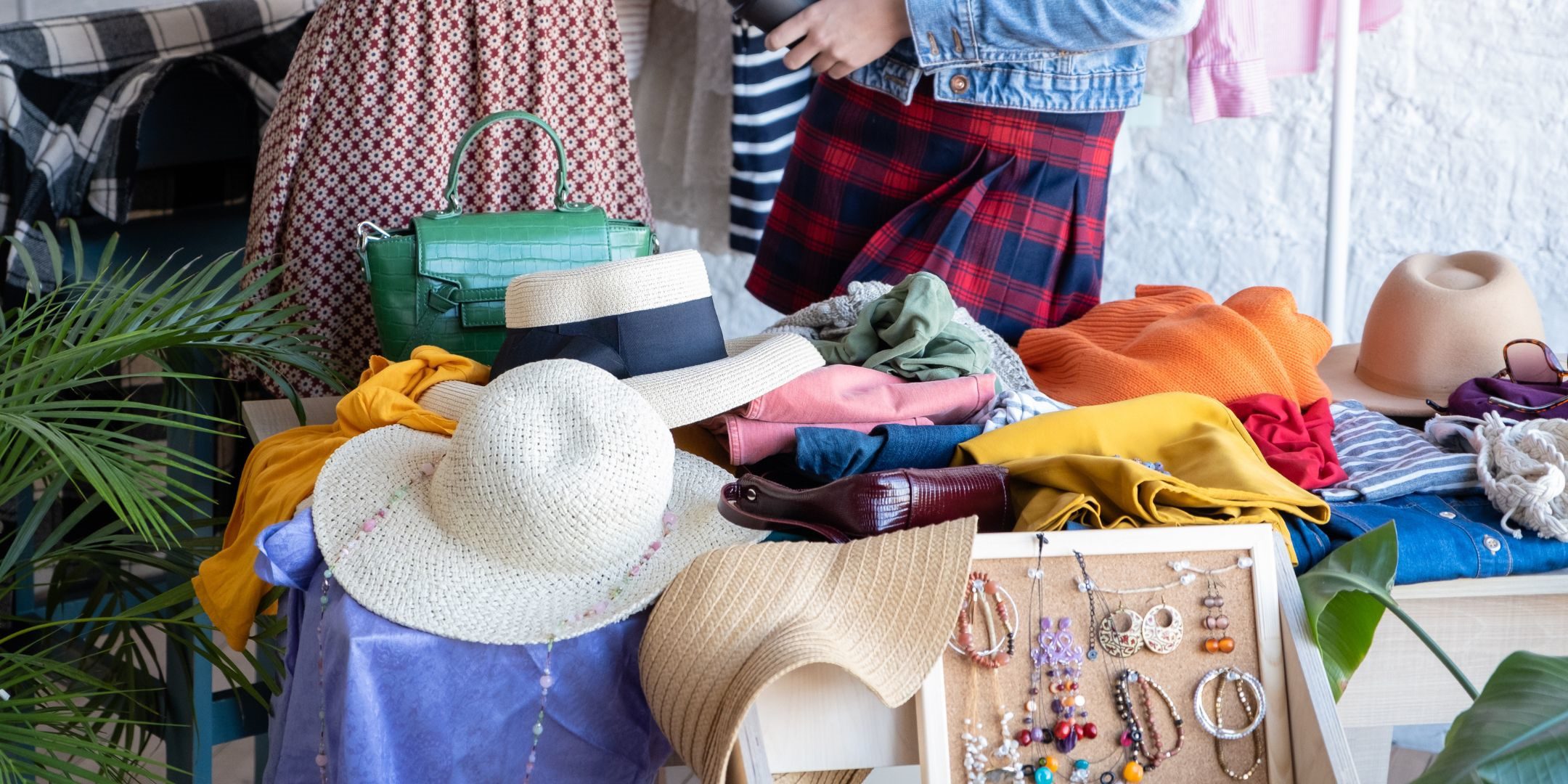
- Thrifting & Vintage – Remember when thrift shopping was just for broke students? Now it’s basically a treasure hunt for one-of-a-kind pieces. A vintage leather jacket? Cooler than anything in a fast fashion store.
- Upcycling – People are getting creative. Old jeans turned into tote bags. Dresses reworked into two-piece sets. It’s DIY, but make it stylish.
- Eco-Friendly Fabrics – Organic cotton, hemp, bamboo, Tencel. Sounds fancy, but these fabrics are softer, last longer, and don’t leave the planet gasping for air.
- Slow Fashion Brands – Small labels are flipping the script. Instead of 100 collections a year, they release thoughtful pieces designed to last.
To be fair, some items are pricier upfront. But the idea is simple: buy less, wear more. That $100 ethically-made jacket? It’ll probably last you ten years instead of two.
The Local Angle: Why This Feels Different Depending on Where You Are
Sustainability in fashion isn’t a one-size-fits-all story. Where you live changes everything.
Take Europe—cities like Copenhagen or Amsterdam have made sustainable shopping almost mainstream. Thrift stores, clothing swaps, repair cafés. It’s part of the culture.
Now compare that with places where fast fashion dominates because it’s the affordable option. In many cities, people don’t even have access to secondhand stores or eco-friendly brands. So, the challenge isn’t just about awareness—it’s about accessibility.
That’s why local initiatives matter so much. Community swaps, local artisan markets, even small repair businesses. They make sustainable choices easier and more practical. And honestly, more fun.
How It Works: Getting Started Without Overthinking
So, how do you actually “do” sustainable fashion without turning it into a full-time job? It’s easier than you think.
- Audit Your Closet – Look at what you already own. Chances are, half of it never gets worn. Rotate your outfits, donate what you don’t use, and rediscover hidden gems.
- Buy Smarter – Next time you shop, ask yourself: “Will I wear this 30 times?” If not, skip it.
- Support Small Brands – Check out local designers who prioritize ethical production. It’s like voting with your wallet.
- Care For Your Clothes – Wash in cold water, air dry, and actually repair stuff when it rips. Grandma was right about sewing, after all.
- Mix Old with New – Don’t ditch trends entirely. Pair a thrifted blazer with your new sneakers. Fashion should still be fun.
The goal isn’t to be perfect—it’s to be better. One step at a time.
Final Thoughts
At the end of the day, sustainable fashion isn’t just about clothes. It’s about mindset. Choosing quality over quantity. Caring about people as much as aesthetics. And remembering that style doesn’t have to cost the earth—literally.
 How to Choose a Collagen Cream That Fits You
 What are Some Common Mistakes to Avoid While Trimming Your Beard?
 A Guide to Updating Your Skincare Routine for Summer
 5 Things To Keep In Mind When Ordering From A China Hair Factory
 Why Moisturising Your Hands Is So Important?
 What Is Your Curl Pattern Type, And How Do You Deal With It?
 Dermal Fillers: What Are Dermal Fillers, How Are They Used, And Who Uses Them?
 How Filorga Optim Eyes Works
 Reverse Balayage: A Low Maintenance Cost For Beauty in Winter
 Shape the Brows with efficient Eyebrows Tinting