


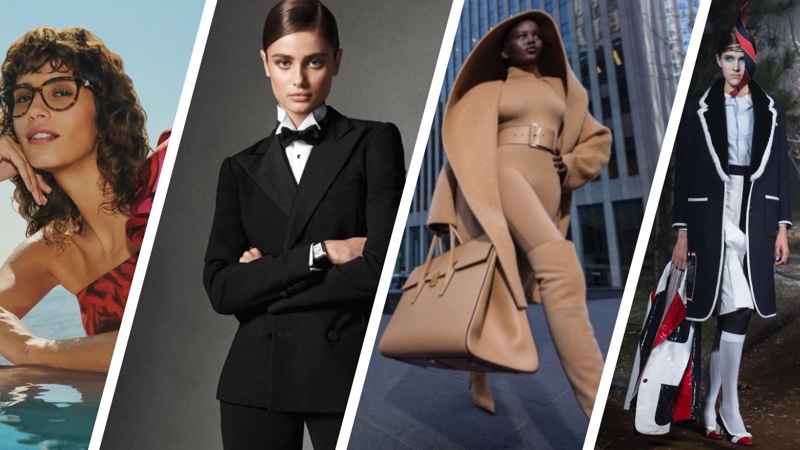
The truth is, designer brands sit in this fascinating space between necessity and fantasy. They’re not just about clothes or accessories; they’re about identity, status, and sometimes even comfort.
And here’s the kicker: no matter how much fast fashion evolves, people still chase that little logo stitched in the corner.
The Story Behind the Obsession
Think back to your first brush with a luxury label. Maybe it was sneaking a spritz of your mom’s Chanel No. 5. Or spotting a classmate walking in with fresh Gucci sneakers. For a lot of us, that was the moment we realized—fashion isn’t just fabric, it’s storytelling.
Designer brands don’t just sell you an item. They sell you an image. Wearing Dior, for example, isn’t only about the cut of the jacket. It’s about signaling sophistication, history, and—let’s be honest—being seen.
But here’s where it gets interesting: the psychology behind it. Studies show people often feel more confident and even act differently when they wear luxury goods. That’s the invisible thread pulling us in.
What’s Trending with Designer Brands Right Now
Fast forward to today, and the landscape has shifted. Old-school exclusivity is still there, but brands are experimenting more than ever. A few things standing out in 2025:
- Collabs That Shock You – Think Prada working with sportswear companies, or Louis Vuitton dropping sneakers with futuristic tech. It’s high-low mixing at its best.
- Sustainability Matters (Finally) – Consumers are calling brands out. The ones leading the game are investing in eco-friendly fabrics, resale platforms, and transparent supply chains.
- Streetwear Isn’t Going Anywhere – Balenciaga, Off-White, and others still prove that hoodies can carry just as much weight as a tailored suit.
- Personalization Is the New Luxury – People don’t just want a bag; they want their bag. Engraved initials, custom colorways, or even AI-powered fittings are in the mix.
Let’s be fair—sometimes these trends feel like marketing stunts. But sometimes, they actually hit home.
Why Designer Brands Still Feel Different
Here’s the thing. You can buy a perfectly decent coat at Zara or H&M. It’ll keep you warm. It might even look sharp. But it won’t give you that same “I’ve made it” buzz that slipping into a Burberry trench does.
Part of this is heritage. Many of these labels have histories spanning decades, even centuries. When you wear something like Hermès, you’re not just wearing a scarf—you’re wearing a piece of fashion history crafted by hand.
And, to be honest, a part of it is just how we humans work. We attach meaning to things that signal success. Designer brands are like shorthand for ambition, for taste, for being “in.”
How People Actually Buy Designer Brands
Let’s break it down casually. There are a few common ways people dive into the luxury pool:
- The Splurge – Saving up and buying straight from the flagship store. It’s the full experience: champagne, velvet chairs, maybe even a sales associate who remembers your name.
- Pre-Loved Markets – Vintage shops and online resellers like Vestiaire Collective or The RealReal are booming. It’s more affordable, sustainable, and let’s face it—sometimes more fun hunting for hidden gems.
- Rentals and Subscriptions – Why commit to one bag when you can rent ten? This is huge for people who love switching styles.
- Travel Buys – Honestly, who hasn’t been tempted by duty-free shopping at an airport? Something about grabbing a Dior lipstick before boarding just feels different.
At the end of the day, the process is less about logic and more about emotion. The ritual of unboxing alone can make someone’s whole week.
The Human Side of It
We can’t ignore one thing: designer brands aren’t just about flexing. For many, they hold sentimental value. A watch passed down from a grandfather. A bag saved up for years, marking a big milestone.
And while critics argue that luxury is shallow, those stories give it depth. It’s not always about money—it’s about meaning.
I once heard someone say, “Buying designer is less about owning the thing, and more about owning the feeling.” That stuck with me.
Wrapping It Up
So, are designer brands worth it? That depends on who you ask. Some see them as overpriced fabric stitched with hype. Others see them as wearable art, as investments, or simply as personal victories.
Here’s the truth: no matter where you stand, their cultural pull isn’t fading anytime soon. Trends will come and go, but that desire for something iconic, something that carries weight, will always stay.