


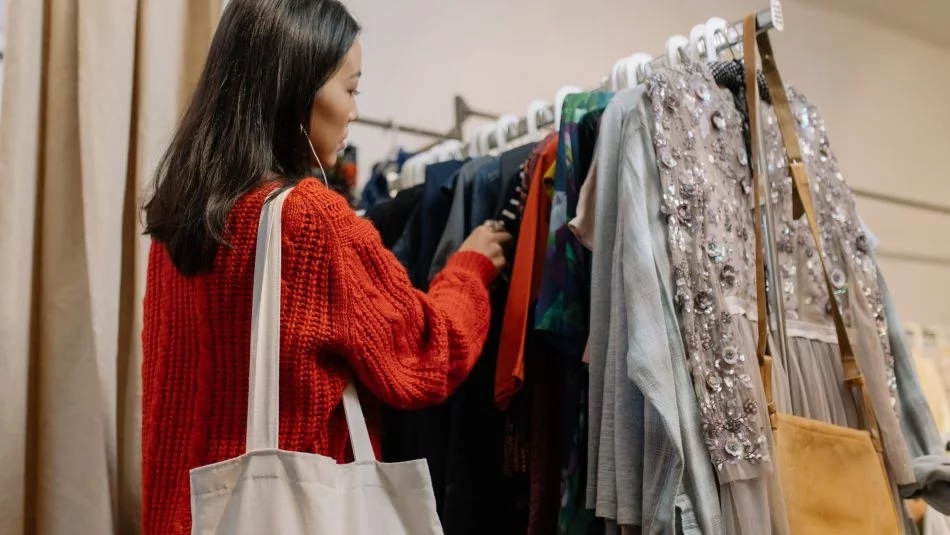
Ever noticed how your closet fills up faster than your phone storage? One week you’re obsessed with a neon crop top, and the next, it’s lying in a heap because TikTok told you brown is the new black. That’s fast fashion for you—cheap, trendy, and everywhere.
And let’s be honest: most of us have bought into it at some point.
So, what’s the story with fast fashion?
Think about it. Back in the day, new clothes were seasonal. You had spring lines, fall collections, and maybe something fancy for Christmas. Now? It feels like brands drop new looks every other week. Some even churn out fresh designs daily.
Fast fashion basically means affordable, trend-driven clothes produced at lightning speed. Stores like Zara, H&M, and Shein have mastered the art. You see a celeb rocking something Monday, and by Friday—boom—it’s already hanging on racks for you to grab.
The good side? Anyone can look trendy without spending half their paycheck. The bad side? Clothes often fall apart after a few washes, and the environmental impact… let’s just say it’s not great. But here’s the kicker: even when we know it’s wasteful, most of us can’t resist that rush of snagging a brand-new outfit for under $20.
Why fast fashion hooks us in
Here’s the thing: fashion isn’t just about clothes. It’s about feelings. Confidence. FOMO (fear of missing out). And fast fashion is designed to feed all of that.
- It’s cheap thrills. Buying a $15 jacket feels harmless, like grabbing an extra coffee.
- The trends change constantly. Blink, and suddenly your “must-have” jeans look outdated. So of course you buy the new pair.
- Social media pressure. How many times can you post the same outfit before someone notices? (Spoiler: people don’t actually notice as much as you think, but it feels like they do.)
- Accessibility. Stores are everywhere, and apps deliver faster than you can finish your Netflix binge.
And let’s not forget—shopping itself is fun. The thrill of clicking “add to cart” or walking out with a bag full of new stuff gives a little dopamine hit.
The local angle: why it feels different here
Depending on where you live, fast fashion hits differently. In big cities, it feels like a survival tactic just to keep up with the pace. People refresh their looks every week, like it’s part of the unspoken rule. In smaller towns, though, one trendy piece can make you stand out because not everyone has the same stores nearby.
Also, the “local vibe” shapes what you buy. A fast fashion store in Sydney, for example, might lean into beachy, relaxed styles. In New York, it’s more about edgy, statement looks. Same system, different flavors.
The funny part? No matter where you are, the cycle is the same—trends pop up, spread like wildfire, and then vanish before your credit card bill even arrives.
How it actually works (without the boring jargon)
Let’s break it down, step by step:
- Spot the trend. Brands stalk runways, influencers, and TikTok like hawks. If Hailey Bieber wears a micro mini, you can bet it’ll be mass-produced in days.
- Fast production. Factories (often overseas) whip up massive quantities at breakneck speed, cutting corners to keep costs low.
- Store drop. Whether online or in malls, the pieces hit shelves faster than you can say “new season, who dis?”
- The buy cycle. Shoppers (that’s us) swoop in, wear it a few times, then move on to the next shiny thing.
- Repeat. And the loop goes on… endlessly.
Sounds a little wild, right? Almost like fashion has turned into fast food—cheap, quick, and not exactly the healthiest choice, but oh-so tempting.
Should we feel guilty?
That’s the million-dollar question. On one hand, fast fashion makes style accessible to people who can’t drop $300 on a single dress. It’s democratizing in that sense. On the other, the waste, pollution, and labor issues tied to it aren’t easy to ignore.
Maybe the sweet spot is balance. Buy a trendy piece or two, but also invest in timeless items that won’t go out of style in a month. (Your future self will thank you.) And hey, there’s always thrifting—where you can snag cool finds without feeding the endless cycle.
Wrapping it up
At the end of the day, fast fashion isn’t going anywhere. We can criticize it, call it unsustainable, and swear we’re done with it… until that perfect dress pops up on sale. And there we are, reaching for our wallets again.
Maybe that’s the real secret—it’s not just about clothes. It’s about identity, belonging, and the thrill of being “in.”